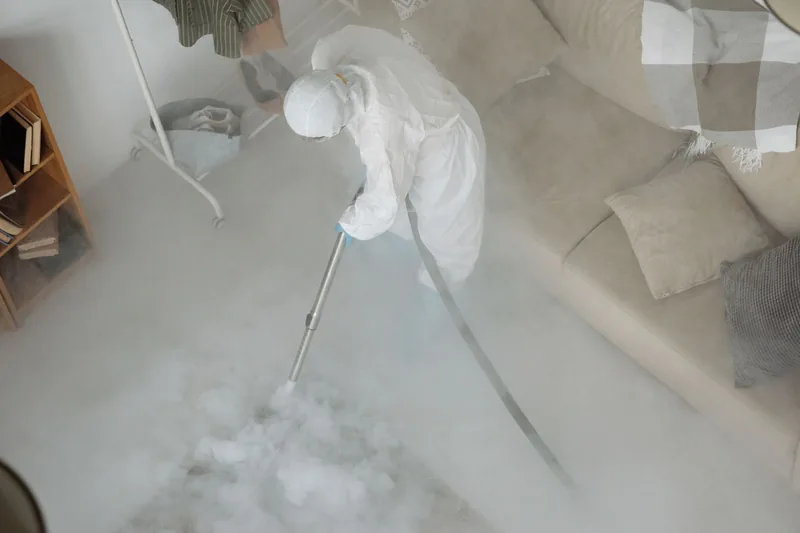
Biohazard Decontamination
Complete decontamination treats the room, its surfaces and the air after a hazardous or infectious exposure.
See biohazard decontaminationGet suspected fentanyl powder and residue assessed and cleaned from a home, rental, business or vehicle in Woodsdale. The cleanup can include containment, material removal, controlled disposal and verification.
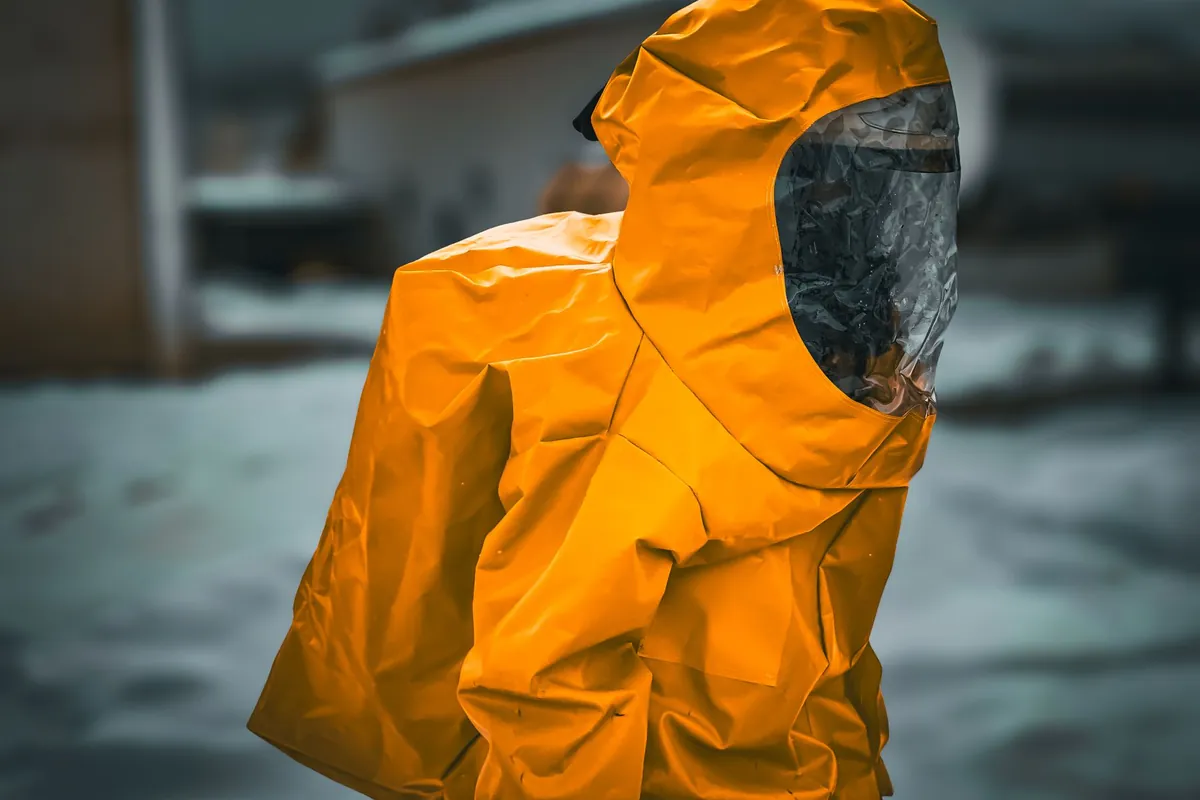
Fentanyl decontamination uses controlled methods to clean suspected powder and residue from a room, vehicle, personal belongings or building surfaces. This allows an evaluation of whether the affected area is safe to use.
This is not ordinary cleaning. Powder from fentanyl, a potent synthetic opioid, may reach other surfaces through a vacuum, a broom, airflow or the soles of shoes. The professional approach controls that movement and finds affected materials. It also calls for protective equipment appropriate to the conditions.
Separate risks may come from bodily fluids, unknown substances, sharps or drug-use items, and these require assessment before any cleaning. The planned scope can include evaluating the residue, setting containment, gathering loose material carefully and treating surfaces. Uncleanable contents may be removed, with disposal and verification also included.
For property records or discussions with insurance companies, you can use testing files, waste documents, photos and scope details.
You can call during the day or night, and crews use unmarked vehicles to respect your privacy at a business, rental, home or vehicle.
Assessment considers each item's material and exposure. When conditions allow, you discuss a list of belongings before their removal.
You hear what areas are included, what testing is proposed and what could change the cost before deciding how to move forward.
Consider fentanyl cleanup when drug-use items, possible powder or suspected residue might have been left inside a property or vehicle. Common examples are:
Possible powder contamination extends to a car or truck's carpeting, seats, door panels, compartments or climate vents.
A restroom, office, store, warehouse or shared building area has suspected opioid residue that could spread to surrounding areas.
Loose powder, used supplies or bodily fluids remain after emergency response, creating more than one type of contamination.
Property owners need an evaluation before a new occupant enters any affected areas where a former tenant left drug paraphernalia, powder or packaging.
First, stop contact with the substance and keep it from moving. Call 911 if someone is unresponsive, has slow breathing or may be experiencing an opioid overdose. Use available naloxone only when you know how to administer it.
Call (888) 440-9227A typical fentanyl cleanup is listed in pricing guides from $3,000 to $20,000 for the entire job. The top of the published scale, for larger or heavily contaminated properties, is $30,000 for the entire job. Neither number is a price for your property. Residue spread, testing, gear, disposal and removal of materials set your scope.
These national ranges are taken from published cost guides, rather than a property visit. An on-site assessment determines your property's price, which is explained to you before the cleanup starts.
Ask about cost: (888) 440-9227Insurance coverage for fentanyl cleanup varies by policy, cause of loss and property type. Ask the insurance company before work begins when there is no immediate safety emergency, and do not assume drug residue is covered.
Save waste documents, an item list, testing records, the cleanup scope, safely taken photos and the incident report to support insurance assistance or property records.
A policy may exclude contamination, illegal activity or tenant damage. Give the facts, request a decision about coverage and save your claim number.
Homeowners or renters insurance, the estate or the property owner usually pays for this kind of cleanup. The Ohio crime victim compensation program helps only when a crime caused the loss.
A property owner may arrange cleanup after tenant activity, then address payment through the lease, insurance or legal process. The facts determine who is responsible.
During fentanyl remediation, the area is assessed and contained before cleaning, waste disposal and verification are completed. The method changes according to the substance, its amount and the surface materials. It also accounts for contamination that has either stayed localized or spread.
Technicians examine what was found, any police information and the rooms, vehicle zones or belongings that may be affected.
When the substance or affected boundaries remain uncertain, samples may be gathered under controlled conditions for appropriate analysis.
The work area is restricted, airflow is considered and technicians select gloves, clothing and respiratory protection for the documented conditions.
Technicians collect loose material without ordinary vacuuming or dry sweeping, lowering the chance of particles reaching surrounding areas.
Cleaning hard surfaces requires a process and product appropriate for opioid contamination, with directions and material requirements followed.
Porous or damaged items that cannot be cleaned adequately are separated, packaged and listed before leaving the work area.
Collected powder, used protective equipment and removed materials are packaged and directed to an appropriate waste stream based on their classification.
After the scope is finished, technicians inspect it and may collect follow-up samples when the plan or property choice requires them.

Phone any hour. A specialist in fentanyl decontamination takes your call, explains each step and agrees on a start time with you.
Treat suspected fentanyl residue cautiously. Powder can cause serious harm through inhalation or contact with the nose, eyes or mouth, particularly if you do not know what the substance is or how much is present.
Fine particles can spread beyond their starting point to possessions, nearby spaces or vehicle surfaces through foot traffic, compressed air, regular vacuuming or dry sweeping.
Needles pose a puncture danger, and blood may carry bloodborne pathogens. These hazards require suitable containers, protective gear and disposal steps.
Your hands, shoes, personal property or cleaning equipment can carry contamination. Containment keeps the original affected area from becoming a larger remediation process.
Can you clean it yourself? Do not treat an unknown powder like an ordinary household spill. Although short skin contact alone is unlikely to result in a fentanyl overdose, you should exit, avoid face contact and clean exposed skin using soap and water. Contact 911 when someone is unresponsive, severely drowsy or struggling to breathe.
Hard, accessible surfaces may be cleaned, while porous items with residue deep inside may need removal. Material condition and verification needs guide each decision.
Several days may be required when fentanyl cleanup includes laboratory testing, removing material, a vehicle interior or several affected rooms. A small area with contained contamination may instead take one workday. The assessment establishes a more practical timeline.
| Scene | Typical time on site |
|---|---|
| Small, contained hard-surface area | Could be completed within one workday following assessment |
| One room or vehicle with several surfaces | Could need one to several workdays |
| Laboratory analysis, material removal or several affected areas | Could require several days in addition to laboratory time |
Fentanyl residue does not necessarily give you a dependable warning through odor. For that reason, scent cannot confirm that a vehicle or room is clean. Ozone, air freshener or fragrance is no substitute for surface decontamination and residue removal.
Air quality measures are used to limit particle movement throughout cleanup. Suitable filtration equipment may be used along with containment and managed airflow, but these steps do not eliminate the need to collect the source and clean contaminated surfaces. When an unrelated substance creates persistent odor, it must be identified separately before that odor is removed.
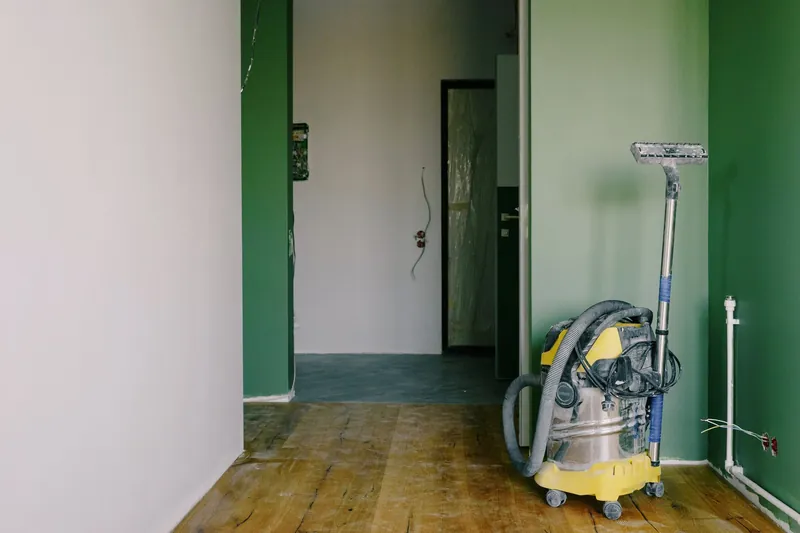
The full fentanyl decontamination guide covers what is cleaned or removed, odor and air quality work, and the rules that apply in Ohio and Lucas County.
Read the full fentanyl decontamination guideLocal population patterns, housing and site access may affect how containment and cleanup are planned.
Knowing that University of Toledo Medical Center is about 2.6 miles away helps households plan where to seek care before arranging scene cleanup.
Families often arrive from Highland Heights, Beverly, and Onyx. Agree on one meeting point and one entrance so the scene stays private.
As a Toledo neighborhood, Woodsdale may include several building styles, so cleanup planning should start with the exact property type.
Clear location details prevent confusion between neighboring communities when specialized cleaning is needed for a drug-related property concern.
During your call, ask whether cleanup is available in surrounding communities and ZIP codes.
Complete decontamination treats the room, its surfaces and the air after a hazardous or infectious exposure.
See biohazard decontamination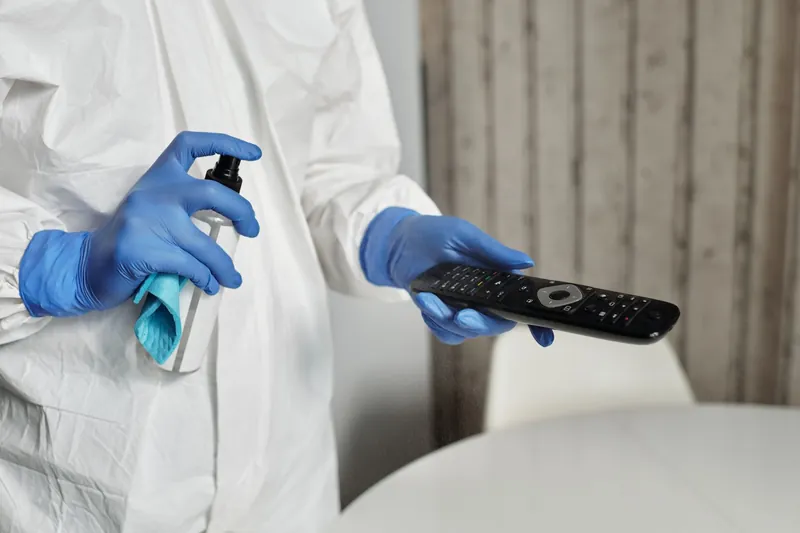
Biological remediation that removes contamination and returns a space to safe use.
See biohazard remediation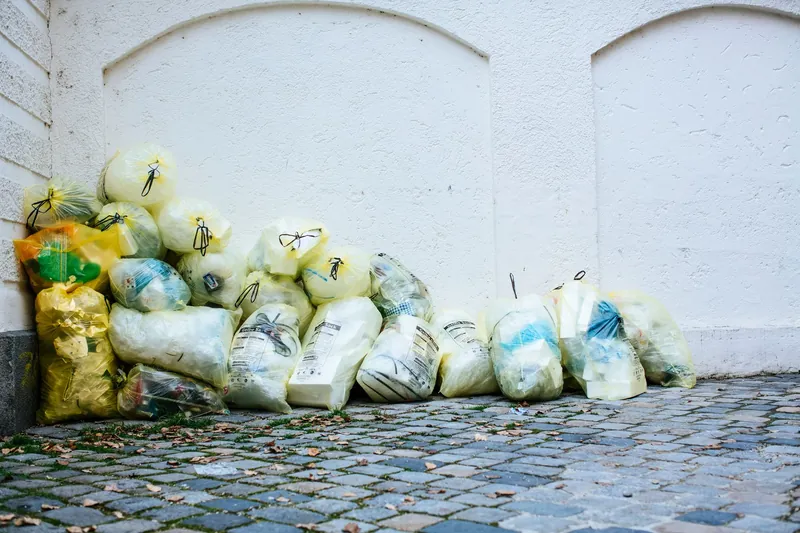
Needles, drug residue and pipes are removed from properties and rental units.
See drug paraphernalia cleanup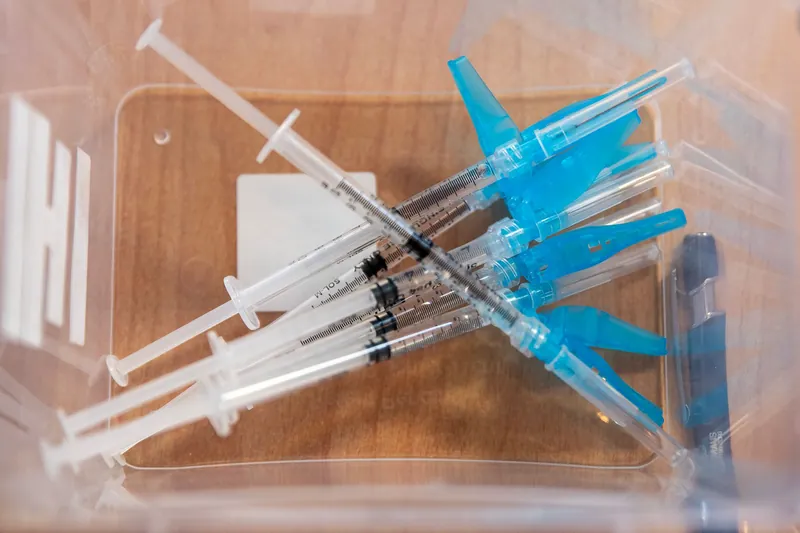
Cleanup removes sharps and needles from parks, rental sites, yards and encampments.
See needle and sharps cleanup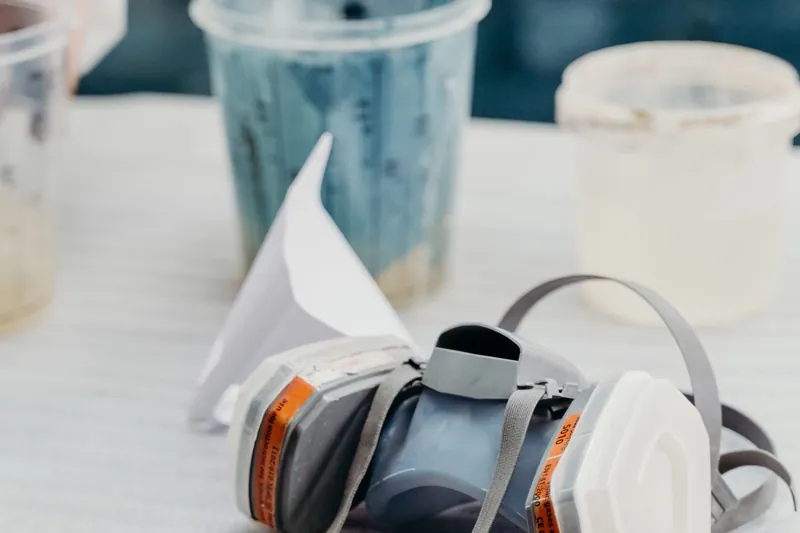
Meth lab cleanup includes testing for residue, decontaminating the space and completing clearance steps.
See meth lab cleanup
Protective equipment suited to hazardous materials is used during hazmat cleanup.
See hazmat cleanup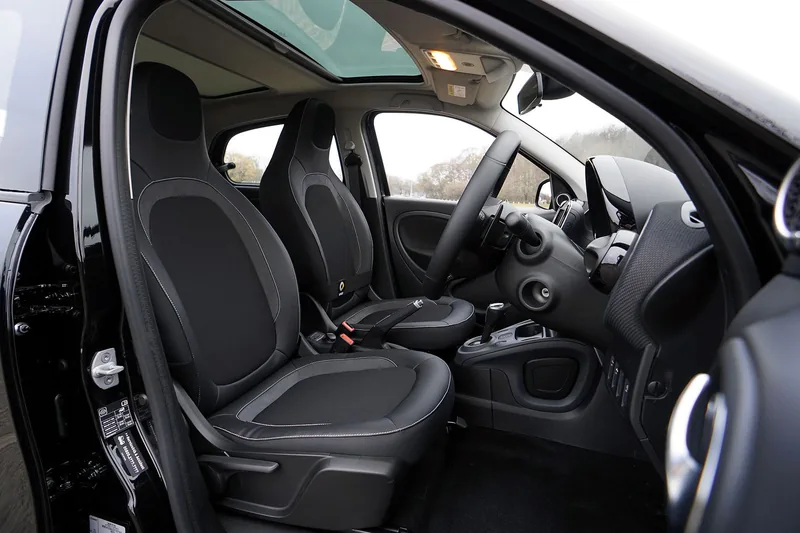
Biohazard cleanup covers vehicles including cars, trucks, recreational vehicles and boats.
See vehicle biohazard cleanup
Hotels, rental properties and Airbnb units receive biohazard cleanup.
See hotel, Airbnb and rental biohazard cleanupCoverage can differ. An exclusion may apply to tenant damage, unlawful activity or contamination. Other losses might receive a different decision based on their facts. Explain the event to the insurance company, request a decision on drug residue testing and cleanup, and retain every cleaning record along with your claim number.
Maybe. Seats, flooring, consoles, door surfaces, storage areas and objects inside vehicles may carry suspected residue. Cleaning fentanyl from vehicles requires attention to absorbent materials and small spaces. Keep the fan off if loose material might sit near ventilation openings.
Building surfaces, possessions or vehicle interiors with suspected fentanyl powder or residue are addressed through a controlled cleanup process. The affected area may return to use after a process involving containment, assessment, surface cleaning, testing, verification, waste disposal, collecting powder and removing uncleanable materials.
You cannot confirm a surface is safe based only on elapsed time. Relevant factors include the material, quantity, type of surface, moisture level, temperature and any previous cleaning. Possible remaining residue calls for controlled access, with cleanup based on site assessment, a proper decontamination method and scoped verification.
Brief skin contact is unlikely by itself to cause an overdose, but suspected residue still deserves caution. Keep your hands away from your face. After leaving the location, wash exposed parts of your skin with soap and water. Immediately dial 911 when a person cannot be awakened, is extremely sleepy or breathes slowly.
Evidence and illegal substances may be taken by law enforcement. Property cleanup usually remains a different task completed after release. Confirm that you may enter, ask whether any items must remain untouched and arrange cleanup for residue, paraphernalia or affected materials that remain on the property.
Crews carry out respectful, discreet fentanyl decontamination, arrive in unmarked vehicles and take calls 24 hours a day.